
Music is an intricate web of sounds, emotions, and stories, weaving its way into our everyday lives. For anyone diving into the world of music, understanding individual chords and their roles can be transformative, offering a whole new perspective on songs you thought you knew inside out. Let’s delve into the B7 chord, a powerhouse in popular music, which adds depth and character with just a few distinct notes.
The B7 chord stands out for its dramatic effect and richness. Whether you’re playing the guitar, piano, or any other harmonic instrument, this chord brings a unique flair that highlights transition moments in compositions. Imagine the slow build of tension released when the chord resolves—it’s a small piece of musical magic.
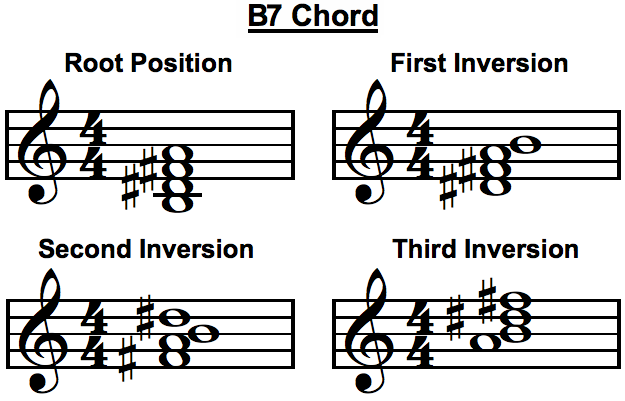
The B7 chord consists of four notes: B, D#, F#, and A. It’s a dominant seventh chord based on the B note, creating an unresolved tension that composers love to use just before the music shifts harmony. If you’re just starting on guitar, the B7 chord is typically played with an easy-to-memorize open chord shape. On the piano, it’s equally straightforward, yet powerful in its resonance.
The Role of the B7 Chord in Popular Songs
One of the B7 chord’s admirable qualities is its versatility in various genres. It’s frequently found in blues tunes, adding to the genre’s characteristic emotional weight. In rock and jazz standards, the B7 chord serves as a catalyst for change, propelling the song’s energy forward. Even pop music utilizes B7 for its capability to inject a sentiment of longing or anticipation.
Consider ‘The Beatles’ who have used the B7 chord in multiple songs, giving fans that iconic tension and release they’ve come to love. Songs like ‘A Hard Day’s Night’ employ it beautifully to transition between verses and choruses, demonstrating the chord’s ability to evoke emotion and maintain listener engagement.
Tips for Mastering the B7 Chord
Embracing the B7 chord can enrich your musical repertoire. Here are some practical tips to help you master it on different instruments:
- Guitar: Start with the open position B7 chord. Practice switching between the E major and B7 chords to regulate the movement, a common transition in many songs.
- Piano: Place your fingers over the B, D#, F#, and A keys. Practice moving between this and the E major chord to gain fluidity in transitions.
- Practice Rhythm: Use a metronome to keep time, starting slow and gradually increasing speed as you get comfortable.
- Listen Actively: Listen to songs featuring the B7 chord. Try to play along to internalize its sound within different musical contexts.
Understanding B7 Bird’s Eye View
Exploring the B7 chord within broader musical themes can be incredibly enlightening. Recognizing its place in the circle of fifths, and understanding its function in modulating between keys can open up new ways of thinking about harmony and improvisation. This chord is not just a standalone element; it’s a part of a greater harmonic puzzle. As you become comfortable with the B7, you may find yourself using it in songwriting, creating memorable progressions that capture your intended emotions.
Melding practical applications with theoretical understanding enhances your overall musicianship. The B7 chord is a gateway to new possibilities, provoking both technical growth and creative expression in musicians of all levels. Remember, as you explore its depths, that learning is a journey best accompanied by practice and curiosity. Whether you’re a novice strumming your first chords or a seasoned pianist crafting intricate compositions, the B7 chord is an indispensable tool in your musical toolkit, forever challenging and inspiring you.
For those eager to try their luck beyond the music sphere, consider exploring the thrills of B7 Casino for a different kind of excitement and entertainment. Just as with music, entering a world of chance and skill offers its own unique set of rewards.


Recent Comments